Effective Parking Enforcement Strategies for Residential Parking Lots
Effective parking enforcement strategies are essential for maintaining order and accessibility in residential apartment complexes. As urban populations grow and more residents rely on personal vehicles, the demand for limited parking spaces increases. Without a structured approach to parking regulation, apartment communities can quickly become congested, leading to frustration among residents and potential safety hazards. Therefore, implementing best practices for parking enforcement not only ensures fair access to parking but also contributes to the overall quality of life within the community.
To begin with, establishing clear and comprehensive parking policies is a foundational step. These policies should outline who is eligible for parking, designate specific areas for residents, guests, and service vehicles, and detail any restrictions or time limits. It is important that these rules are communicated effectively to all residents, ideally through lease agreements, community handbooks, and visible signage throughout the property. When residents are well-informed, they are more likely to comply with regulations, reducing the need for frequent enforcement actions.
In addition to clear communication, the use of parking permits can significantly enhance enforcement efforts. Permits help identify authorized vehicles and can be color-coded or numbered to correspond with specific units or zones. This system allows property managers and enforcement personnel to quickly determine whether a vehicle is parked legally. Moreover, digital permit systems, which utilize license plate recognition technology, are becoming increasingly popular. These systems streamline the monitoring process and reduce the administrative burden associated with manual permit tracking.
Another effective strategy involves regular patrols by trained personnel. Whether conducted by on-site staff or contracted security services, routine inspections help deter unauthorized parking and ensure compliance with established rules. These patrols should be conducted at varying times to prevent predictable patterns and to catch violations that may occur during off-peak hours. When violations are identified, consistent and fair enforcement is crucial. This may include issuing warnings, fines, or, in more severe cases, towing unauthorized vehicles. However, enforcement actions should always be carried out in accordance with local laws and regulations to avoid legal complications.
Technology also plays a vital role in modern parking enforcement. Mobile apps and online platforms can facilitate the reporting of violations by residents, allowing for quicker response times. Additionally, these tools can be used to manage guest parking, enabling residents to register visitors in advance and avoid confusion or penalties. By leveraging technology, property managers can maintain accurate records, track enforcement trends, and make data-driven decisions to improve parking management.
Furthermore, fostering a sense of community responsibility can enhance the effectiveness of enforcement strategies. Encouraging residents to respect shared spaces and consider the needs of their neighbors promotes voluntary compliance. Hosting informational sessions or including parking etiquette tips in community newsletters can reinforce the importance of following parking rules.
In conclusion, effective parking enforcement in residential apartment complexes requires a multifaceted approach that combines clear policies, consistent monitoring, technological support, and community engagement. By implementing these best practices, property managers can create a more organized and harmonious living environment, ensuring that parking resources are used efficiently and equitably.
Best Practices for 24/7 Towing and Illegal Vehicle Removal in Apartment Complexes
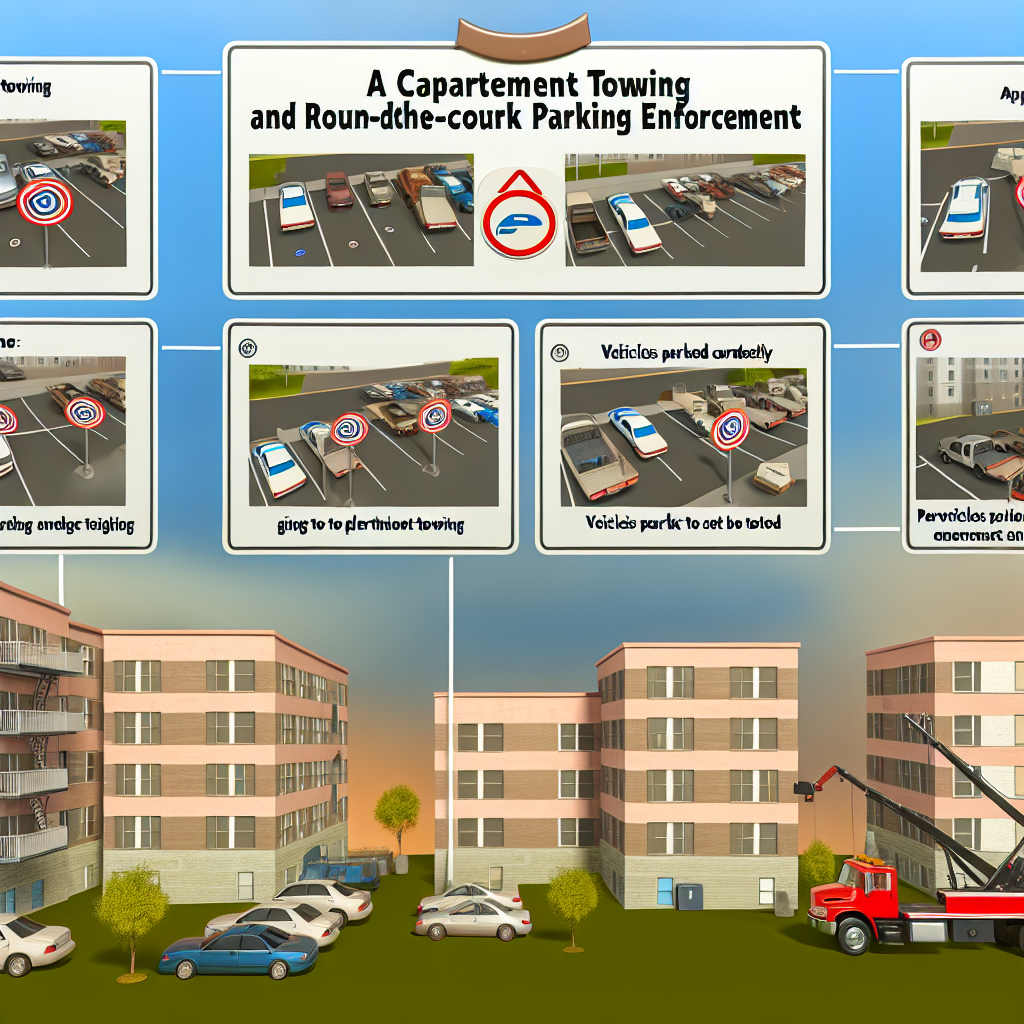
Effective management of parking spaces in apartment complexes is essential to maintaining order, ensuring resident satisfaction, and promoting safety. One of the most critical aspects of this management involves the regulation of unauthorized or illegally parked vehicles. Implementing best practices for 24/7 towing and illegal vehicle removal can help property managers maintain control over parking areas while minimizing disputes and disruptions.
To begin with, establishing clear and comprehensive parking policies is fundamental. These policies should outline who is permitted to park on the property, designate visitor parking areas, and specify the consequences of violating the rules. It is important that these guidelines are communicated clearly to all residents, ideally through lease agreements, welcome packets, and posted signage throughout the complex. When residents are well-informed, they are more likely to comply with regulations, and enforcement actions are less likely to be met with resistance.
Equally important is the installation of visible and legally compliant signage. Signs should be placed at all entrances and throughout the property to inform drivers that unauthorized vehicles are subject to towing at the owner’s expense. These signs must include the name and contact information of the towing company, as well as the hours of enforcement. In many jurisdictions, specific legal requirements govern the content and placement of towing signs, so property managers must ensure compliance with local laws to avoid legal challenges.
Partnering with a reputable towing company is another key component of effective enforcement. The chosen provider should offer 24/7 service, maintain a prompt response time, and operate in accordance with all applicable regulations. A professional towing company will also document each tow with photographs and written reports, which can be invaluable in resolving disputes. Establishing a formal agreement with the towing provider can help ensure consistency in enforcement and clarify the responsibilities of each party.
In addition to reactive measures, proactive monitoring can significantly enhance the effectiveness of parking enforcement. Regular patrols by security personnel or designated staff can help identify violations early and deter unauthorized parking. Some complexes also utilize parking permits or decals to distinguish between residents, guests, and unauthorized vehicles. These systems can streamline enforcement efforts and reduce the likelihood of mistakenly towing a resident’s vehicle.
However, it is essential to approach towing with fairness and discretion. While swift action may be necessary in cases of blatant violations, such as vehicles blocking fire lanes or occupying reserved spaces, a warning system can be beneficial for less severe infractions. Issuing written notices or temporary citations before resorting to towing can foster goodwill among residents and demonstrate a commitment to reasonable enforcement.
Finally, maintaining open lines of communication with residents is crucial. Providing a clear process for residents to report parking violations or appeal towing decisions can help build trust and transparency. Regularly reviewing and updating parking policies based on resident feedback and changing needs ensures that the system remains effective and equitable.
In conclusion, successful 24/7 towing and illegal vehicle removal in apartment complexes requires a balanced approach that combines clear policies, legal compliance, professional partnerships, and proactive communication. By adhering to these best practices, property managers can create a well-regulated parking environment that supports the needs of all residents.
Streamlining Parking Lot Management with Professional Towing Services
Efficient parking lot management is a critical component of maintaining order and accessibility in apartment complexes. As residential communities grow and parking demand increases, property managers often face challenges such as unauthorized vehicles, abandoned cars, and residents or guests violating parking rules. To address these issues effectively, many apartment complexes are turning to professional towing services as a strategic solution. By partnering with a reputable towing company, property managers can streamline parking enforcement, enhance safety, and ensure that parking spaces are used appropriately.
One of the primary advantages of utilizing professional towing services is the ability to enforce parking regulations consistently and fairly. When residents and visitors are aware that violations will be addressed promptly, they are more likely to comply with established rules. This not only deters unauthorized parking but also fosters a sense of accountability among tenants. Moreover, towing companies often provide signage and documentation support, helping to clearly communicate parking policies throughout the property. These visual reminders serve as a deterrent and reinforce the importance of adhering to community guidelines.
In addition to improving compliance, professional towing services contribute to the overall safety and functionality of the parking area. Illegally parked vehicles can obstruct fire lanes, handicap spaces, or emergency access points, posing serious risks in the event of an emergency. By removing such vehicles promptly, towing providers help maintain clear pathways and ensure that emergency services can access the property without delay. Furthermore, abandoned or inoperable vehicles can become eyesores and attract unwanted attention, diminishing the aesthetic appeal and perceived security of the complex. Regular monitoring and removal of these vehicles help preserve the integrity and appearance of the community.
Another key benefit of working with a professional towing service is the reduction of administrative burden on property management staff. Enforcing parking rules internally can be time-consuming and may lead to confrontations with residents. By outsourcing this responsibility, managers can focus on other essential tasks while relying on trained professionals to handle enforcement in a lawful and impartial manner. Most towing companies offer 24/7 availability, ensuring that issues can be addressed promptly, regardless of the time of day. This level of responsiveness is particularly valuable in high-traffic areas or during peak occupancy periods.
To maximize the effectiveness of towing services, it is essential for property managers to establish clear protocols and maintain open communication with both the towing provider and residents. This includes outlining specific violations that warrant towing, setting up a notification process, and ensuring that all actions comply with local laws and regulations. Transparency in these procedures helps build trust within the community and minimizes disputes or misunderstandings. Additionally, regular reviews of parking policies and collaboration with the towing company can help identify trends or recurring issues, allowing for proactive adjustments to enforcement strategies.
In conclusion, integrating professional towing services into apartment parking management offers a practical and efficient approach to maintaining order and accessibility. By ensuring consistent enforcement, enhancing safety, and reducing administrative strain, towing providers play a vital role in supporting the overall functionality of residential communities. With thoughtful implementation and ongoing communication, property managers can create a well-regulated parking environment that benefits both residents and management alike.
Ensure a safe and organized community—implement the Best Practices for Apartment Parking Regulation today! Get a Quote Now.