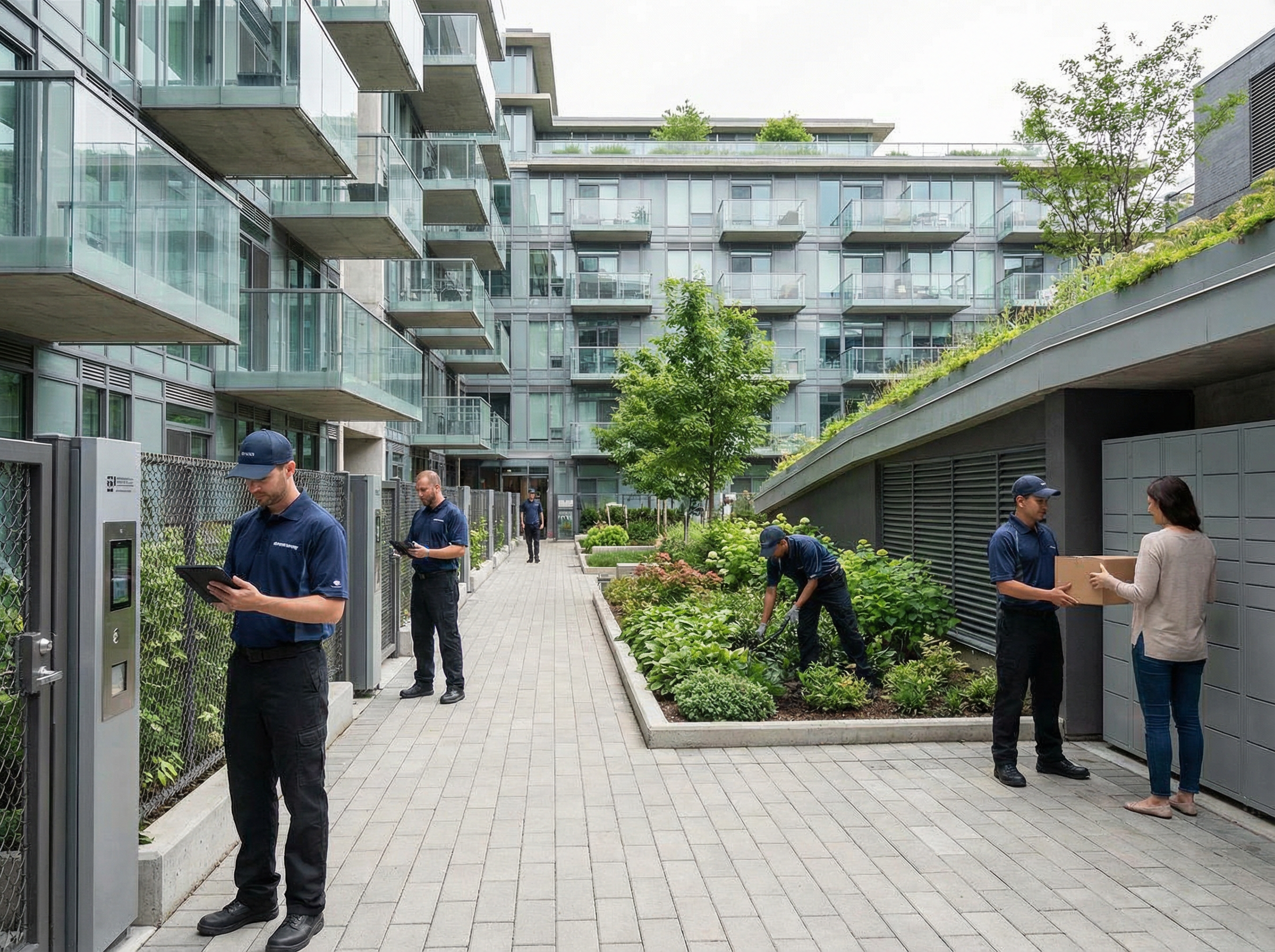
High-performing on-site operations in apartment communities don’t happen by accident. It’s a system, a sharp machine built on clear lines between tenant needs, communication, staffing, and workflow.

First, know your tenants. Sounds trivial, but too many ops teams wing it without solid data. Survey residents within the first month of move-in and regularly after that to capture evolving needs. Set expectations clearly from day one—what’s included, what’s not, how to request services, expected response times. Don’t assume tenants know your playbook. Spell it out in welcome packets, email, and on community portals. For example, a Dallas property I handled revamped their move-in guide and dropped response time from 24 hours to 6 without adding staff. Why? Because tenants knew exactly what to expect, reducing service requests that stemmed from confusion.
Next, communication. Don’t just talk *to* residents—engage them. Automated communication systems with SMS and email alerts keep residents in the loop on maintenance windows, renovations, security updates, and valet trash schedules. Pro tip: Use scheduled reminders for recurring services to cut down on calls. Implement simple feedback loops post-service to spot weak links early. One Chicago community used daily SMS updates for elevator maintenance and saw complaints drop 40% in a quarter—it pays off. Use tech but keep a human touch on complex issues or delays.

Building the right team is your backbone. Roles must be laser specific. Maintenance technicians should have tiered SLAs—for urgent (under 4 hours), routine (48 hours), and cosmetic (up to a week). Property managers should focus on vendor coordination and big-picture issues, not chasing down light bulbs. A dedicated vendor manager or coordinator streamlines every contract and invoice, freeing up onsite staff to focus on residents. Take a Houston complex that cut vendor overlaps by 30% in six months by centralizing management and setting clear, enforceable SLAs.
Training is non-negotiable. Forget the random, once-a-year workshops. Create ongoing, bite-sized modules using real scenarios employees face onsite. Role-play conflict resolution, teach prioritization under pressure, and refresh technical skills quarterly. Gamify performance when possible to keep morale high. A Tennessee property created monthly micro-trainings combined with peer feedback; maintenance speed improved 25%, and resident satisfaction spiked—proof that short, targeted drills beat long, dull lectures.
Now, workflows—this can make or break your ops. Start by mapping every process that touches residents: security patrols, maintenance requests, renovations scheduling, valet trash pickup, towing enforcement. Tie these to a shared platform so nothing slips through cracks. Use a 30/60/90-day plan: 30 days to audit and map current workflows; 60 to implement digital tracking and define clear handoffs; 90 to optimize based on feedback and KPIs. Don’t guess what vendors do—track arrival times, response quality, and compliance with community rules.
Real talk: Security should not be an island. It’s your first responder, eyes on site. Link security alerts with maintenance requests where relevant (broken locks, lighting outages) and ensure vendor teams get instant notifications. Valet trash and towing often draw complaints—standardize cutoff times, signage, and enforce consistently. One California property standardized towing policies, communicated frequently via email and in-app alerts, reducing unauthorized parking violations by 50% in three months.
Lastly, everything ties back to centralized vendor management and a killer resident experience. Don’t let vendors work in silos. Central contracts, periodic performance reviews, and data-driven decisions keep costs down and quality up. Your residents see it all through fewer delays, transparent communication, and consistent standards.
Here’s a quick checklist:
Understand tenants. Survey and set clear expectations from Day 1.
Build communication systems. SMS alerts, emails, feedback loops.
Define team roles and SLAs. Vendor manager = vendor manager.
Train onsite staff frequently with micro-sessions and gamification.
Map workflows. Use a 30/60/90-day rollout plan.
Centralize vendor management. Track and review constantly.
Tie security, maintenance, valet trash, towing with shared platforms and policies.
Want to hit this fast with less headache? Break it down: Month 1, audit and gather tenant data. Month 2, deploy communication tools and clarify roles. Month 3, tighten workflows and ramp up training. Monitor constantly. Adjust ruthlessly.
High-performing on-site operations in apartment communities aren’t a myth. It’s about discipline, accountability, and smart use of systems. Nail this, and you transform what tenants expect from a rental—into what they demand.