Improving resident experience in apartment communities isn’t just a feel-good strategy—it’s a tactical move that boosts retention, cuts costs, and smoothens operations. Let’s skip the fluff and get straight to what matters for property managers and multifamily operators who want results yesterday.
First, start by really understanding your residents.
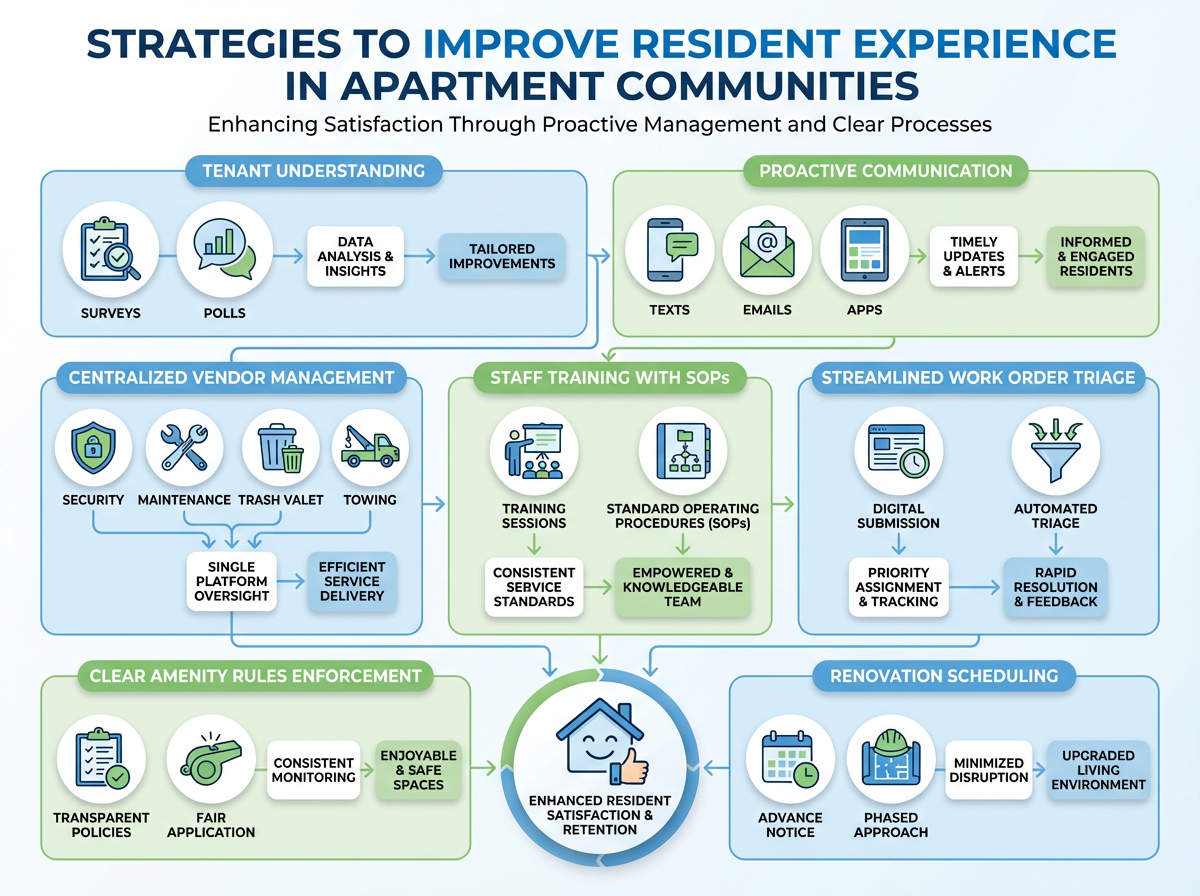
You’d be surprised how often communities miss the basics: what tenants want versus what management thinks they want. Run quick surveys, hold casual meet-and-greets, or use simple digital polls. Find out: Are parking spots a mess? Is maintenance slow? What’s the real pain point? Once you know the problem, you can tailor your approach instead of throwing random fixes at the wall.
Tenant education and proactive communication are non-negotiable.
Don’t wait for the phone to ring with complaints. Announce maintenance schedules, policy changes, and amenity updates upfront—through texts, emails, or a resident app. Teach tenants how to submit work orders properly to prevent vague requests that waste time and cause frustration. A well-informed resident is less likely to complain and more likely to cooperate.
Your on-site service team is your frontline.
Leasing agents, maintenance crews, security staff, housekeeping, and vendors—they all need to operate like a well-oiled machine. Centralization here is your secret weapon. Instead of juggling vendors for security, repairs, trash valet, towing, or renovations separately, bundle them under a centralized management system. This cuts down on calls, miscommunication, and finger-pointing when things go wrong. Seriously, it’s the kind of upgrade that cuts chaos in half overnight.
Training your team is where you separate the pros from the amateurs. Standard Operating Procedures (SOPs) tailored for every role aren’t just bureaucratic paperwork—they’re your daily playbook. Walk your staff through common scenarios: urgent maintenance calls, incident responses, amenity conflicts. Make sure everyone knows the script and when to escalate. Use bite-sized refresher sessions regularly instead of annual marathon trainings nobody remembers.
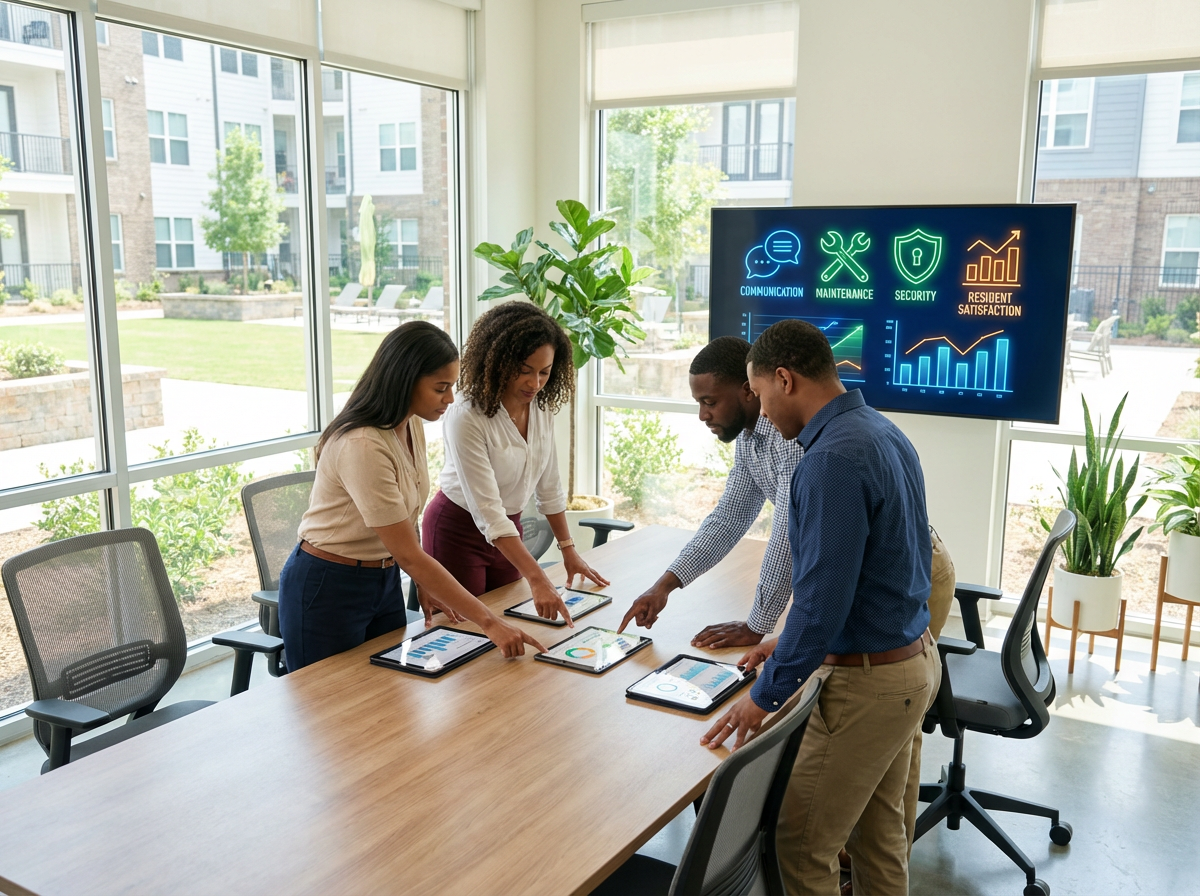
Let’s talk workflow improvements, because that’s where theory meets execution.
Streamline work orders by categorizing requests immediately upon submission: emergencies get instant priority, routine fixes get scheduled efficiently. Turns need to be planned like military operations—checklists for cleaning, inspection, and repairs. Keep inspections predictable and thorough; no surprises, no shortcuts. Incident response should have a clear chain of command and documentation process—think not just about what happened, but how you resolve it with minimum resident disruption.
Amenity rules are often overlooked but crucial.
Publish them clearly, post them visibly, and enforce consistently. That’s how you prevent neighbor fights over pool hours or clubhouse use. Trash, parking, and towing enforcement should be zero surprises. Residents hate unexpected fees or removals, so communicate the rules and consequences from day one. Regular reminders and visible signage go a long way.
Renovations can make or break resident satisfaction.
Schedule noisy or disruptive work during off-hours or days when most residents are away. Offer advance notice and sometimes compensation—a discount or temporary amenity upgrade to keep goodwill.
Real-world example: One multifamily manager switched to a centralized vendor model for maintenance and security. Result? Vendor coordination issues dropped 70%, maintenance requests got done 40% faster, and resident complaints about safety fell sharply. They also launched a monthly digital newsletter educating tenants on using the resident portal effectively, reducing work order errors by 30%.
Here’s a quick checklist to improve resident experience while boosting operational efficiency:
Know tenant needs deeply. Educate proactively. Centralize vendor management. Train with solid SOPs and refresh often. Tighten work order triage and turn processes. Enforce rules transparently. Communicate renovation plans clearly.
Improving resident experience in apartment communities is both an art and a science, but it’s simple when you break it down: listen, educate, streamline, train, repeat. Want to see how centralized on-site services can simplify your vendor management across security, maintenance, renovations, trash valet, and towing? Reach out for a free quote—no hassle, just real solutions.
If you want to dive deeper into building top-notch tenant communication systems and assembling high-performance on-site teams, check out the best step-by-step training for property managers here. It’s worth every minute if you truly want to cut the chaos and create apartment communities tenants love to call home.
Renovation services can support upgrade projects with less disruption, while reliable trash services and compliant towing partners help keep parking and common areas under control.