Resident education and communication strategies are the backbone for any apartment community aiming to have a high-performing on-site operations team. Property managers and multifamily operators often miss that resident satisfaction hinges not just on great facilities but on clear, efficient communication paired with responsive service. If you want to turn your staff into a well-oiled machine, this is where you start.
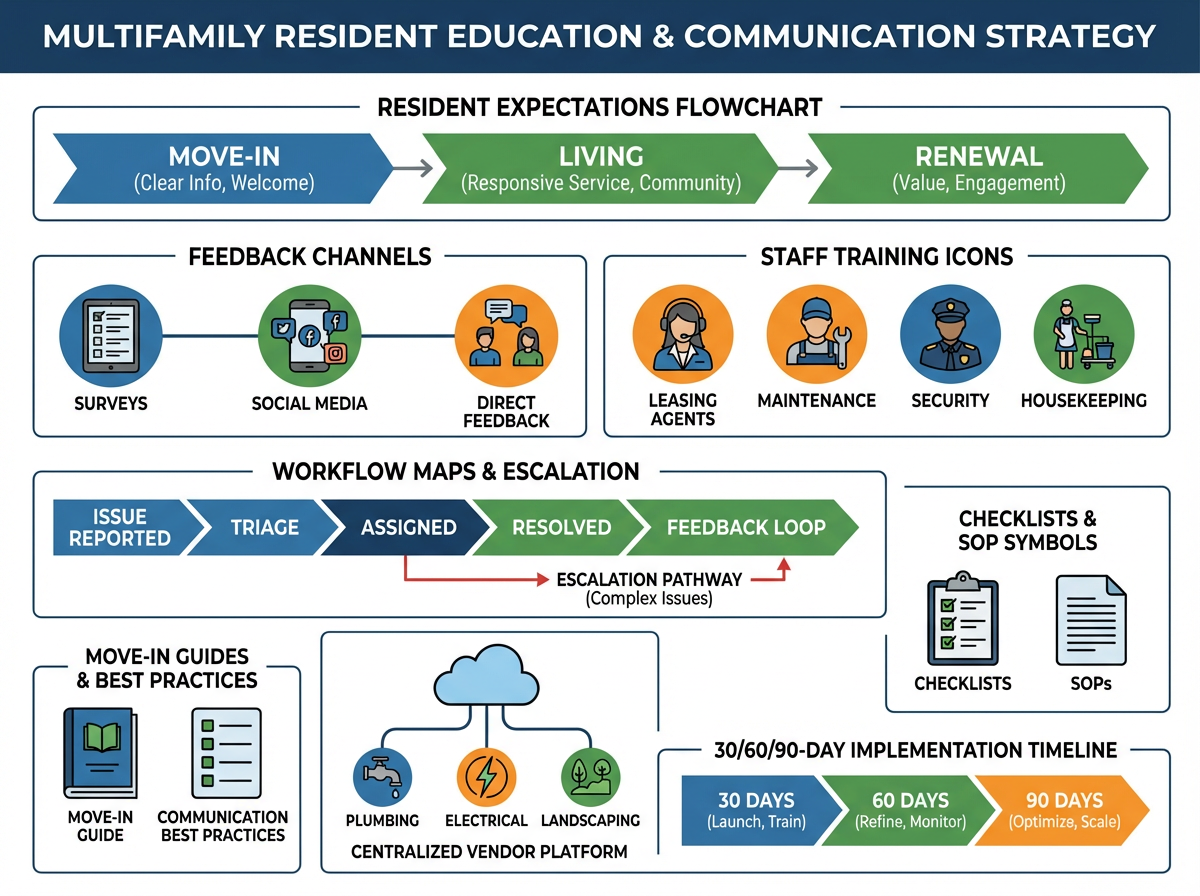
First, understand resident expectations. They want quick responses, transparent processes, and respectful interactions. Skipping this step means your team’s efforts won’t align with what residents actually care about. Gather intel through surveys, social media, and direct feedback. Use this data to tailor both service delivery and communication tone. Residents are not all the same. Some want DIY tips; others want hand-holding. Know your crowd.
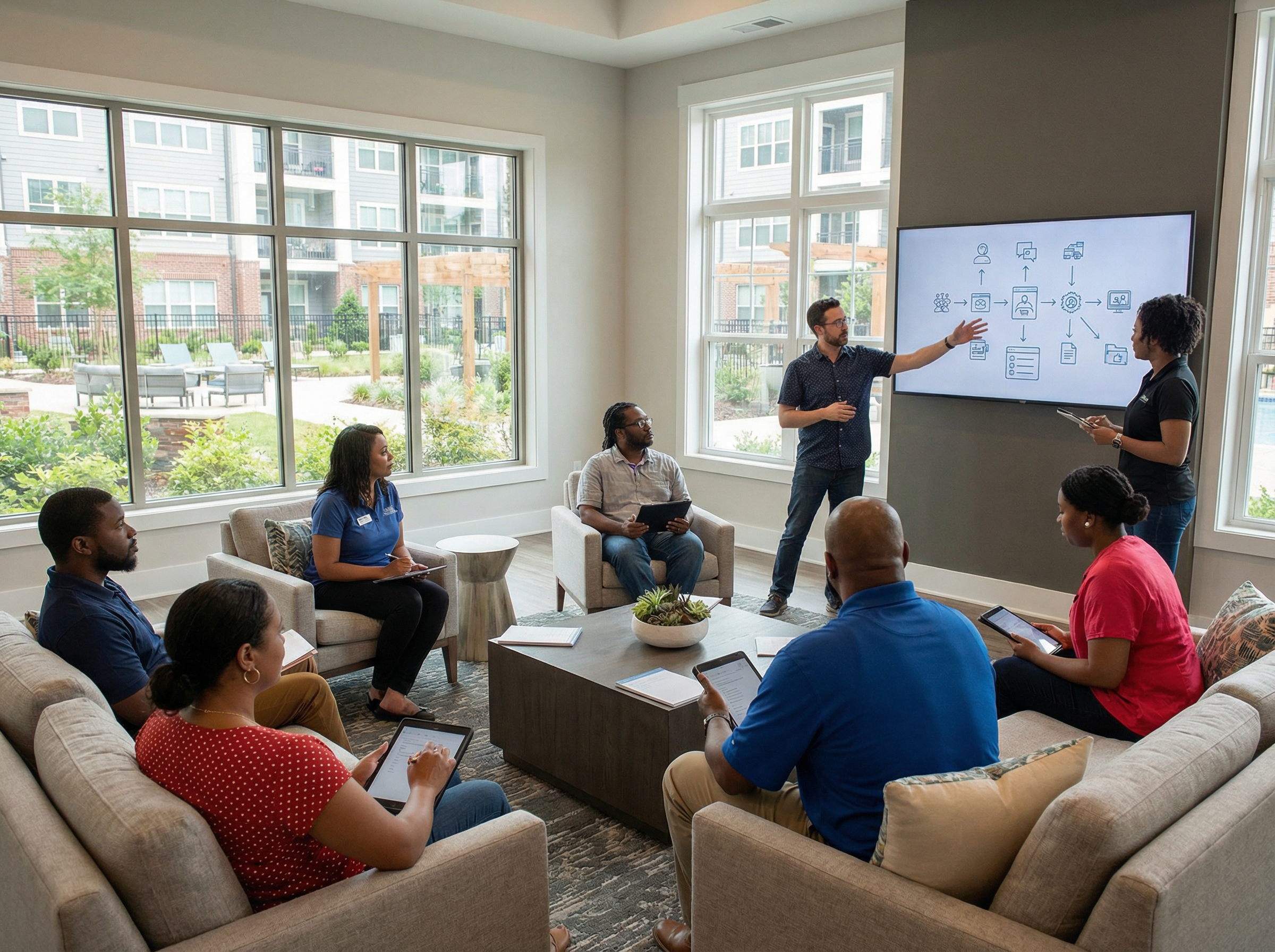
Training your onsite staff isn’t “nice to have” – it’s mission-critical. That means leasing agents, maintenance crews, security, housekeeping – everyone. Focus on role-specific communication skills aligned with your community’s brand voice and policies. Example: Maintenance staff should not only fix things but also explain what they did, how to prevent the issue, and when to call back if something feels off. Security should be trained to handle concerns respectfully, defusing conflicts and escalating only when necessary. Over-communicating is better than under, but know when to stop.
Workflow design ties all this together. Map out how requests flow from resident to team member to resolution. Integrate issue escalation clearly. For example, minor maintenance fixes logged directly with technicians; roof leaks flagged to supervisors immediately; security breaches escalated per protocol. Define service-level standards every team member lives by: response within X hours, completion timelines, follow-up call or email, etc. Run this like clockwork.

Use checklists and SOPs religiously. These are your silence-enforcers. No one should guess on crucial steps or skip quality checks. For maintenance, a checklist might cover safety gear, tool inventory, step-by-step repair procedures, and resident notification templates. Housekeeping follows daily, weekly, monthly action lists aligned with resident traffic patterns. This builds consistency and accountability.
Your resident-facing communication needs to be crystal. Move-in guides set expectations from day one: how to book amenities, trash disposal rules, parking protocols. Policy reminders shouldn’t be “gotcha” notices but helpful refreshers sent timely, like pet policies before holidays or pool rules at the start of summer. When it comes to maintenance requests, teach residents the etiquette—how to use online portals, what info to include, and expected response times. Clarity upfront cuts frustration in half.
Now, let’s get practical with real-world examples. Security teams improve by running monthly resident Q&A sessions—this builds trust and cuts anonymous complaints. Maintenance and renovation coordination excels when you centralize vendor communication on one platform, so leasing agents don’t get lost chasing contractors for updates. Trash valet services reduce complaints when staff use checklists to verify pickup locations and residents get reminder texts about collection days. Towing and parking enforcement work smoother if policies are clear, visible, and combined with a quick digital dispute process.
Centralizing vendors through a single management platform is non-negotiable for scale and sanity. It cuts email chains, double bookings, and missed follow-ups. Everyone—from leasing to security—sees the same data in real time. This means faster problem-solving and fewer “I didn’t get that” excuses.
Here’s a straightforward 30/60/90-day plan. First 30 days: audit current communication channels and resident feedback. Identify weak spots in resident education and staff training gaps. Roll out move-in guide updates and quick refresher training on basics for all onsite staff. Days 31-60: implement workflow maps and SOPs for maintenance and security. Launch resident education campaigns on community policies and maintenance requests. Centralize vendor contacts into one platform. Last 30 days: monitor results, adjust based on resident complaints and staff feedback. Host resident focus groups or Q&A sessions. Fine-tune escalation protocols and service-level agreements. Keep pushing clarity and consistency relentlessly.
In short, resident education and communication strategies are not a side hustle but the core infrastructure for your on-site operations team’s success. Nail this, and your community runs smoother, staff morale stays high, and residents keep coming back. No excuses. It’s about smart training, clear workflows, tight communication, and relentless refinement. Your residents and your team deserve nothing less.