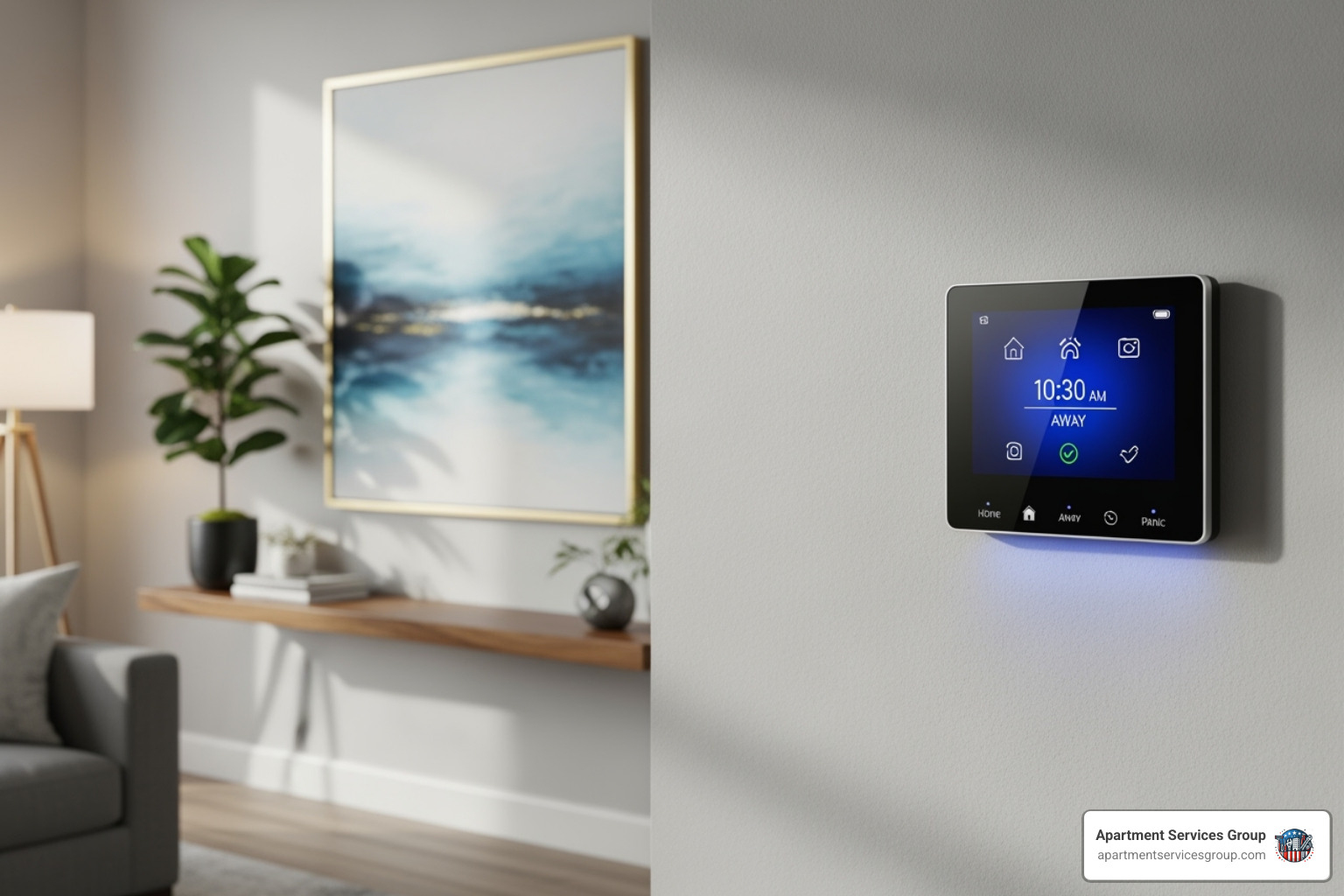
Apartment Alarm Systems: Best for 2025 Peace
Why Apartment Dwellers Need Specialized Security Solutions
Apartment alarm systems offer renters the peace of mind they deserve without risking their security deposit or violating lease agreements. Unlike traditional home security systems that require professional installation and permanent modifications, modern apartment security solutions are designed for flexibility and portability.
Top Apartment Alarm System Features:
- Wireless sensors that use adhesive mounting (no drilling required)
- DIY installation in under 30 minutes
- No-contract options starting around $140-$200 for starter kits
- Professional monitoring available for $10-$30 per month
- Portable systems you can take when you move
Best Systems for Renters:
- Ring Alarm 5-Piece Kit – $200, best overall value
- SimpliSafe Foundation Kit – $150, adhesive-based installation
- Abode Security Hub – $140, most affordable option
- Arlo Dual Sensor System – $200, compact for small spaces
The reality is stark: renters are nearly twice as likely as homeowners to experience a burglary. Yet traditional security companies have long ignored renters with their “homeowners only” policies, credit checks, and permanent installations that damage walls.
Today’s apartment security landscape has completely changed. Modern systems use peel-and-stick sensors, wireless technology, and smartphone apps that put control in your hands. No more worrying about losing your security deposit or getting stuck in long-term contracts.
As Moe Shariff, owner of Apartment Services Group, I’ve seen how the right apartment alarm systems can transform residents’ sense of safety and property managers’ peace of mind. Through years of working with Houston apartment complexes, I’ve learned that effective security starts with understanding the unique challenges renters face.
What Makes an Apartment Security System Different?
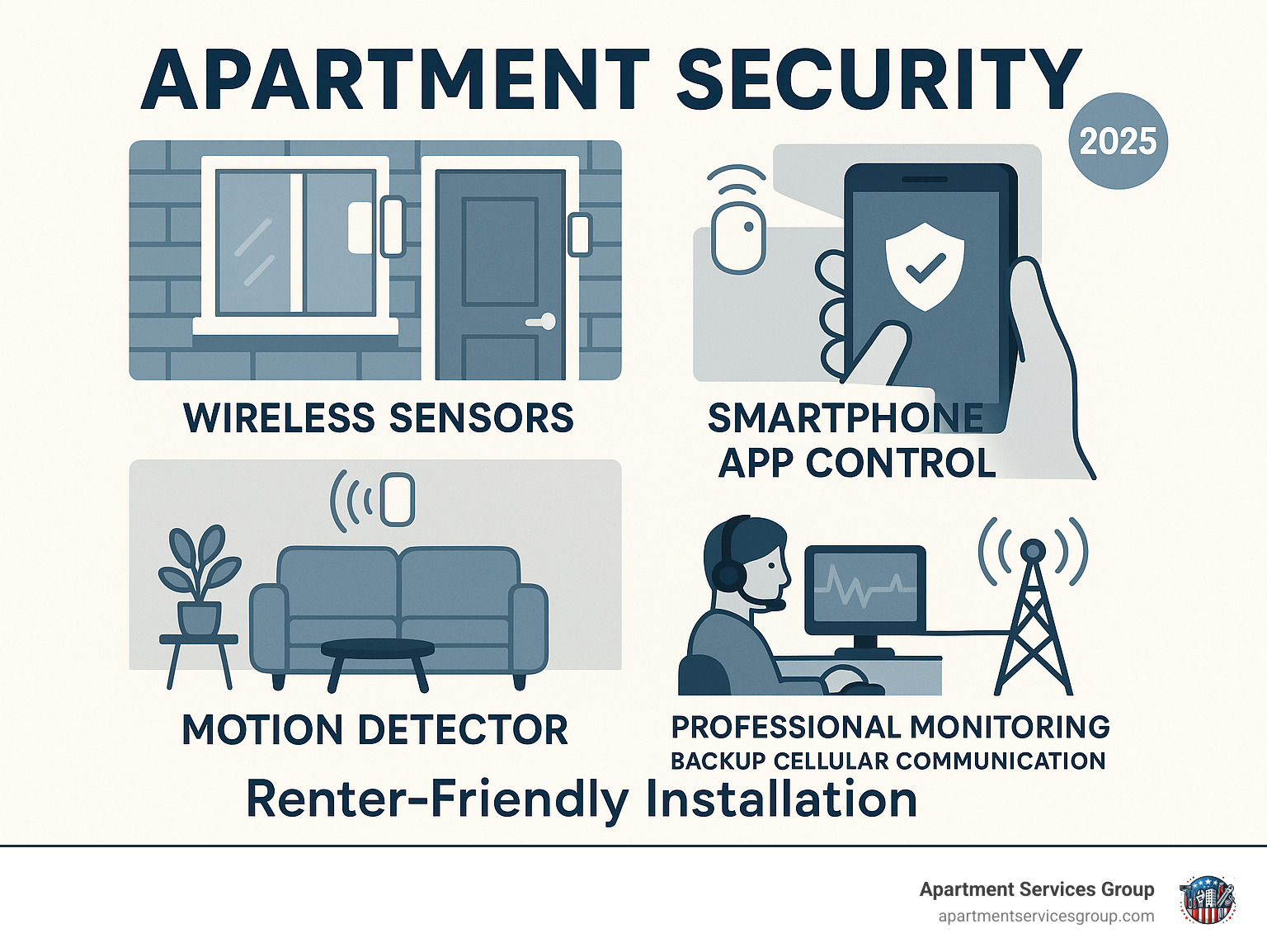
Living in an apartment comes with its own unique security challenges, and that’s exactly why apartment alarm systems exist as a completely different category from traditional home security. These systems aren’t just scaled-down versions of what homeowners use – they’re purpose-built for the rental lifestyle.
The biggest game-changer is portability. Since the average American moves 11.4 times in their lifetime, your security system should be able to pack up and move with you. Traditional systems that get hardwired into walls? That’s a non-starter for renters.
Wireless technology is the backbone of modern apartment security. No more unsightly cables snaking around your living room or drilling holes that’ll cost you your security deposit. These systems rely on adhesive sensors that stick right onto doors and windows without leaving a mark. When it’s time to move, they peel off cleanly – no damage, no stress.
The beauty of today’s apartment alarm systems lies in their DIY-friendly design. You can set up most systems in under 30 minutes without calling in expensive professionals (which can cost 45% more than going the DIY route). Everything’s designed to be intuitive, often requiring nothing more than your smartphone to get started.
Scalability for small spaces is another crucial factor. Whether you’re in a cozy studio or a one-bedroom, these systems work efficiently without cluttering your limited space. Compact sensors can cover multiple functions, giving you comprehensive protection without the bulk.
For apartment managers and property owners looking to improve building-wide security, you’ll find valuable insights in our apartment security resources.
Why Renters Need Specialized Systems
Your lease agreement is basically your security system’s rulebook. Most rental agreements have strict clauses about making permanent alterations to the property. Ignoring these rules can lead to hefty penalties or – worse – losing your entire security deposit.
Avoiding wall damage isn’t just about money (though that security deposit matters!). It’s about respecting the property while still protecting yourself. Modern apartment systems understand this balance perfectly.
Renters face a reality that homeowners don’t: moving frequency. When your lease is up, you shouldn’t have to abandon your investment in security. The right system travels with you, protecting every place you call home.
Compact living spaces demand smart solutions. Your security system should improve your sense of safety without making your apartment feel cramped or cluttered. Every component needs to earn its place in your limited square footage.
Traditional vs. Renter-Friendly Systems
The contrast between old-school and modern apartment security is stark. Traditional hardwired systems require extensive installation work – think running cables through walls and mounting control panels permanently. Wireless systems eliminate all that hassle with simple setup and zero permanent changes.
Professional installation used to be the only option, complete with scheduling appointments and paying hefty setup fees. Many traditional companies still maintain “homeowners only” policies with credit checks and multi-year commitments. DIY installation puts you in control, letting you secure your space on your timeline.
The biggest difference? Flexibility versus long-term contracts. Traditional providers often lock you into multi-year agreements with expensive cancellation fees. Contract-free monitoring gives you the freedom to pause or cancel services when life changes – and for renters, life changes frequently.
Apartment alarm systems are built around your reality as a renter, not the homeowner’s experience. They recognize that you need security solutions that work with your lifestyle, not against it.
Key Features to Look for in the Best Apartment Alarm Systems
Choosing the right apartment alarm systems feels overwhelming when you’re staring at dozens of options online. But after helping countless Houston renters secure their homes, I’ve learned that the best systems share four key qualities: they have the essential components you actually need, offer flexible monitoring choices, won’t break your budget, and work seamlessly with your existing smart devices.
Think of it like building the perfect security recipe. You need the right ingredients (components), a cooking method that fits your lifestyle (monitoring options), a price that doesn’t empty your wallet (cost considerations), and everything should work together harmoniously in your kitchen (smart home integration).
Core Components for Complete Coverage
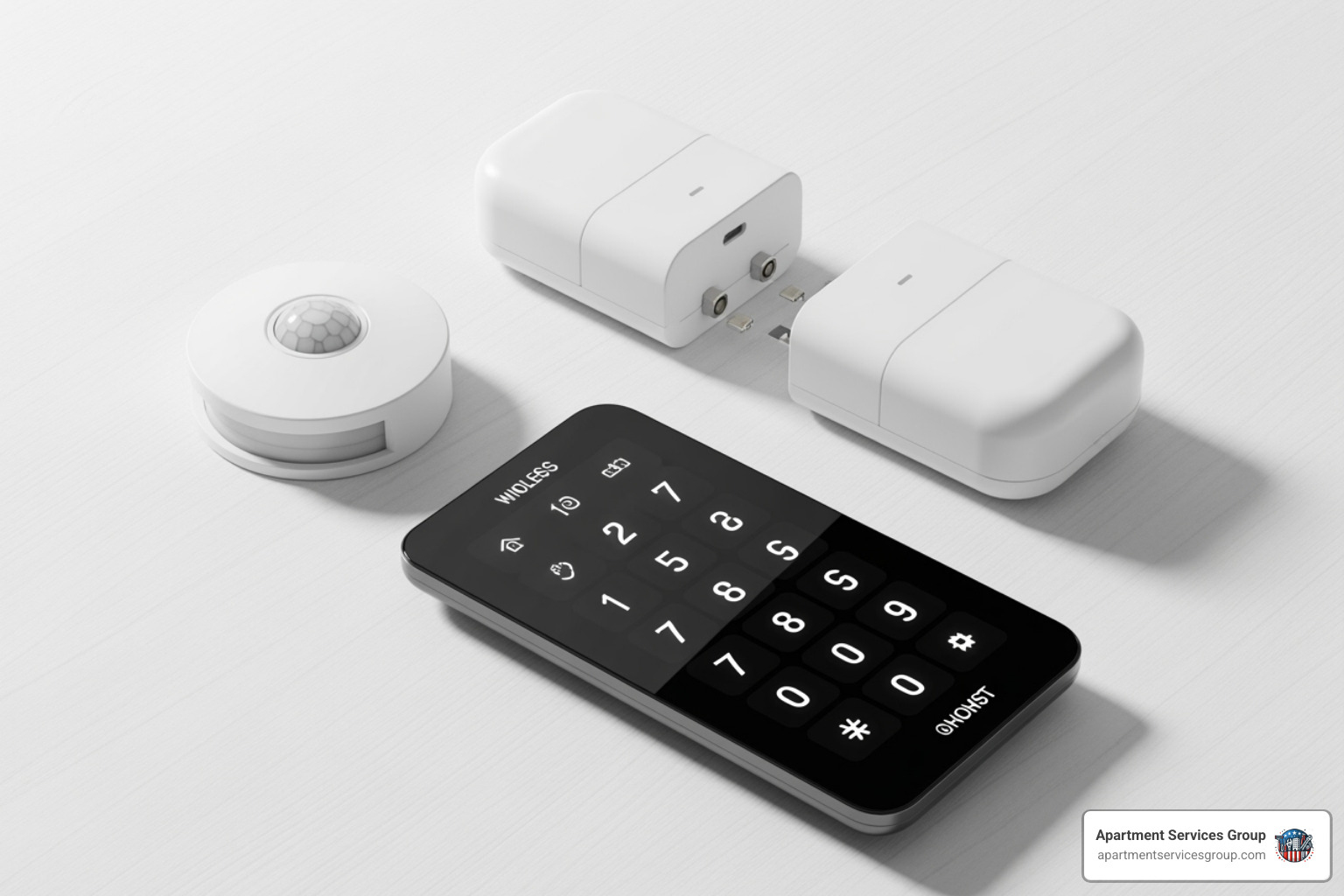
Every effective apartment alarm system starts with a solid foundation. The base station acts as the brain of your entire setup, connecting all your sensors and keeping you informed through your smartphone. Look for one with battery backup – the Ring Alarm offers 24 hours of backup power, so you stay protected even during outages.
Door and window sensors are your apartment’s first line of defense. These small devices alert you the moment someone opens an entry point. What makes them perfect for renters is their adhesive mounting – SimpliSafe’s sensors stick right onto your door or window frame without leaving a mark.
Motion detectors keep watch over your living spaces, catching any movement in larger rooms or hallways. Some newer models, like Arlo’s dual sensors, are incredibly clever – they detect not just motion but also changes in light, water leaks, and even smoke or carbon monoxide. It’s like having multiple security devices rolled into one compact unit.
Don’t overlook glass break sensors – they’re the unsung heroes of apartment security. These smart devices use AI technology to recognize the distinctive sound of breaking glass from up to 25 feet away. Even if an intruder doesn’t open your window, they’ll trigger an alert if they try to break in.
A keypad near your front door makes arming and disarming your system effortless, while sirens serve double duty – they scare off intruders and alert your neighbors. For apartment living, we usually recommend internal sirens to keep the peace with your neighbors while still providing effective deterrence.
Monitoring: Professional vs. Self-Monitoring
Here’s where you get to choose your own adventure. Professional monitoring means a dedicated team watches over your apartment 24/7, ready to call police or emergency services when your alarm triggers. It’s like having a security guard who never sleeps – perfect if you travel frequently or want that extra layer of protection. You can add this to many systems for around $10-30 per month.
Self-monitoring puts you in the driver’s seat. When something happens, you get alerts directly on your phone, and you decide how to respond. It’s ideal if you’re comfortable handling alerts yourself and want to save money. Many systems send short video clips to your phone when motion is detected, so you can see exactly what triggered the alarm before deciding whether to call for help.
The beauty of modern systems is their mobile notifications – regardless of which monitoring route you choose, you’ll always know what’s happening at home. Your phone becomes your security command center, keeping you connected whether you’re at work, on vacation, or just grabbing groceries.
When weighing costs versus benefits, self-monitoring is typically free after you buy the equipment, making DIY systems about 45% cheaper than professionally installed alternatives. Professional monitoring adds monthly fees but provides invaluable peace of mind, especially during emergencies when every second counts.
Understanding Costs and Subscriptions
The financial side of apartment alarm systems has become refreshingly straightforward. Upfront equipment costs for starter kits typically range from $140 to $200 – Abode begins at $140, SimpliSafe’s Foundation Kit costs $150, while Ring Alarm and Arlo systems hover around $200.
The real money-saver for renters is DIY installation. By setting up your system yourself, you’ll save about 45% compared to professionally installed systems. Most modern systems are designed for easy setup – no special tools required, no technician appointments to schedule.
Monthly subscription fees vary based on features, typically running $15-30 for comprehensive plans. Ring Protect starts at just $5 monthly for basic features, while SimpliSafe’s professional monitoring begins around $20. Arlo Secure plans range from $8-25 depending on your needs.
The game-changer for apartment dwellers is contract-free options. Companies like SimpliSafe offer month-to-month monitoring, so you’re never trapped in long-term commitments that don’t match your rental lifestyle.
Basic subscription plans typically include:
- Mobile notifications and real-time alerts
- Cloud video storage for cameras and doorbells
- Full access to smartphone app features
- Cellular backup during internet outages
- Option to upgrade to professional monitoring
This flexibility means your security system adapts to your life, not the other way around. For more insights into how modern security technology is changing apartment living, check out our comprehensive guide on Apartment Security.
Installation and Legal Considerations for Renters

Here’s something I’ve learned after years of working with Houston apartment complexes: the biggest mistake renters make isn’t choosing the wrong security system – it’s not reading their lease agreement first. I’ve seen too many good people lose their security deposits over a simple misunderstanding that could have been avoided with five minutes of paperwork review.
Installing apartment alarm systems doesn’t have to be stressful or risky. The secret is understanding your rights, respecting your landlord’s property, and knowing Houston’s local rules. Think of it like following a recipe – miss one ingredient, and the whole dish can turn out wrong.
Getting Landlord Approval for Your System
Your lease agreement is your security system roadmap. Before you buy anything, pull out that document and look for words like “alterations,” “installations,” or “modifications.” Most leases are pretty clear about not drilling holes or making permanent changes to the property.
The smart move? Get written permission for anything beyond basic peel-and-stick sensors. Even if your lease doesn’t specifically mention security systems, a quick email to your landlord can save you hundreds in deposit fees later. Most landlords actually appreciate tenants who want to improve security – they just want to know about it first.
Camera placement is where things get tricky. Interior cameras in your own space? Usually fine. But exterior cameras, even on your private balcony, often need approval. And here’s a big no-no: never point cameras at common areas like hallways or parking lots. That’s not just against most leases – it’s a privacy violation that can get you in real legal trouble.
The beauty of modern systems is their non-permanent nature. SimpliSafe’s sensors stick on with adhesive strips that won’t damage paint. Ring’s door sensors cause zero permanent damage. These systems were designed specifically for renters who need to protect their deposits.
For insights on how comprehensive security transforms apartment communities, check out our guide on Apartment Security.
Navigating Privacy and Your Apartment Alarm Systems
Privacy isn’t just about being polite to your neighbors – it’s about protecting yourself legally and digitally. I’ve seen renters create more problems than they solved by not thinking through the privacy implications of their security setup.
Indoor cameras should only capture your personal living space. Position them to monitor your entry door or living room, but be careful about windows. If your camera can see into a neighbor’s apartment or capture people walking by outside, you’ve crossed a line. The golden rule: only monitor what you have a legal right to monitor.
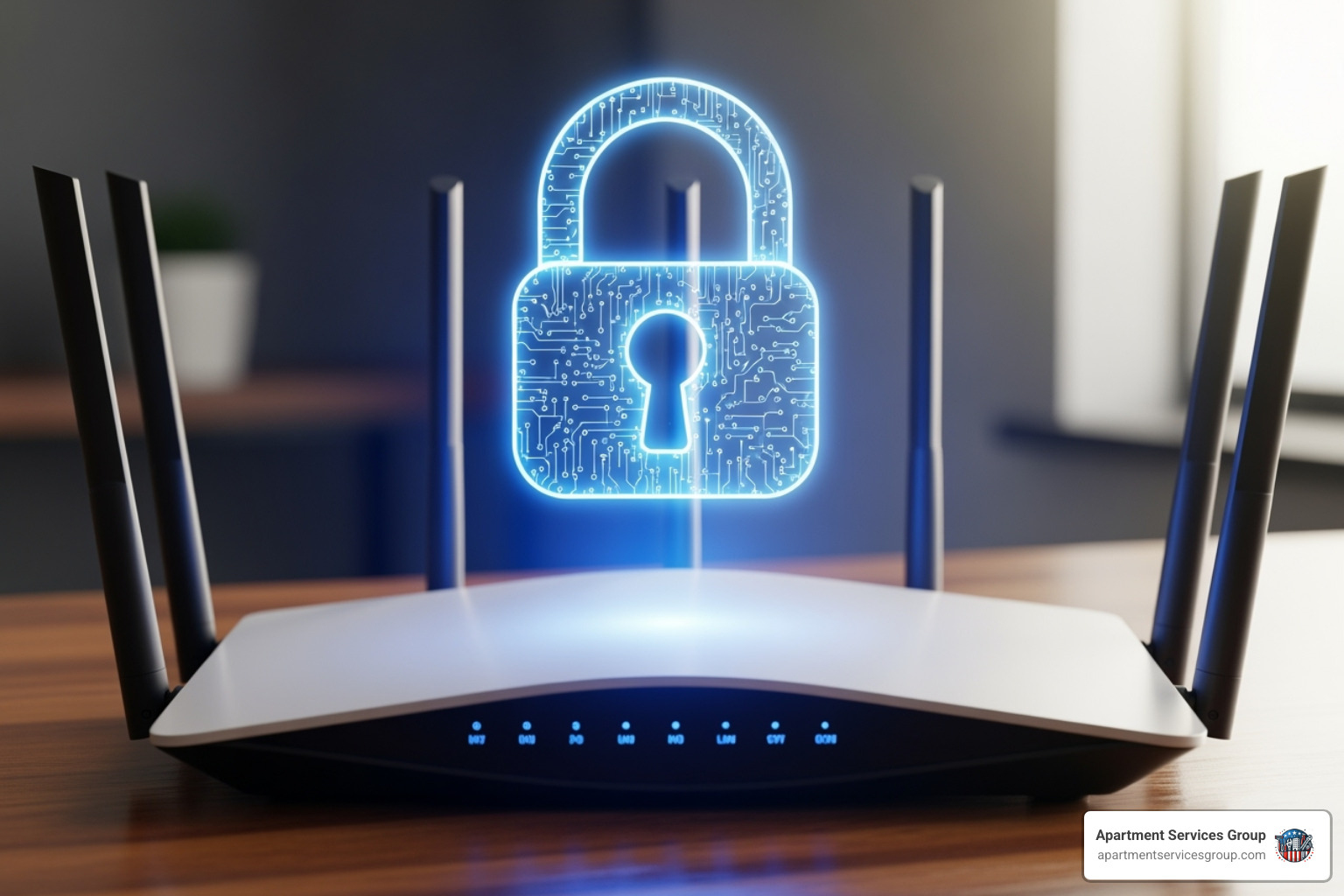
Your Wi-Fi network is the backbone of your entire security system, and frankly, it’s often the weakest link. A compromised network means a compromised security system. Use a strong, unique password – not “password123” or your pet’s name. Enable WPA3 encryption if your router supports it, or WPA2 as a backup. And please, update your router’s firmware regularly.
Data encryption matters more than most people realize. Look for systems that encrypt your video feeds and stored data. Some systems, like certain models we’ve worked with, emphasize local storage and end-to-end encryption. This keeps your personal information away from hackers and gives you more control over your data.
Your security system should make you feel safer, not create new worries about digital privacy or neighbor disputes.
Local Rules and Regulations in Houston
Living in Houston means dealing with our specific local requirements, and trust me, it’s better to know these upfront than find them after a false alarm fee arrives in your mail.
Alarm permits might be required depending on your specific location within the greater Houston area. Some municipalities require you to register your system with local authorities. It’s not just bureaucracy – it helps emergency responders know what they’re dealing with when they get a call from your address.
False alarm fees are the real budget killer here. Repeated false alarms can cost you serious money, sometimes $50 or more per incident. This is why choosing a reliable apartment alarm system with features like image verification is so important. You want a system that can confirm a real intrusion before calling the cavalry.
The good news? Houston is generally renter-friendly when it comes to security systems, especially the wireless, non-permanent types we recommend. Just stay within your lease terms and be respectful of shared spaces.
For Houston-specific security solutions custom to our local needs, explore our comprehensive Houston Security Services. And if you want to understand your broader rights as a tenant, the U.S. Department of Housing and Urban Development website is an excellent resource that covers tenant rights across different situations and locations.
The bottom line? A little homework upfront saves a lot of headaches later. Read your lease, respect privacy boundaries, and follow local rules. Your future self will thank you.
Beyond the Alarm: Layering Your Apartment’s Defenses
Your apartment alarm system is just the beginning of creating a truly secure living space. Think of security like a good recipe – one ingredient might be tasty, but combining multiple elements creates something much more satisfying. The same principle applies to protecting your apartment.
At Apartment Services Group, we’ve learned that the most secure apartments don’t rely on just one security measure. Instead, they layer different types of protection to create what security experts call “defense in depth.” This approach combines your alarm system with smart locks, video doorbells, simple physical barriers, and good old-fashioned community awareness.
The beauty of this layered approach is that if one security measure fails or gets bypassed, you have backup protection in place. Plus, many of these additional security boosters are surprisingly affordable and renter-friendly.
For more insights into how comprehensive security approaches can transform apartment living, explore our resources on Apartment Security.
The Role of Smart Locks and Video Doorbells
Smart locks and video doorbells aren’t just cool gadgets – they’re powerful security tools that complement your apartment alarm systems perfectly. These devices give you control over who enters your space and when, even when you’re not home.
Keyless entry benefits go far beyond convenience. With a smart lock, you’ll never again find yourself locked out because you left your keys on the kitchen counter. More importantly from a security standpoint, you can’t lose digital keys or have them stolen. You can also instantly change access codes if needed, something impossible with traditional keys.
Granting temporary access becomes incredibly simple with smart locks. Need to let your dog walker in while you’re at work? Generate a temporary code that expires after a few hours. Having friends visit while you’re running errands? Create a code just for that day. This eliminates the security risk of hiding spare keys or giving out permanent copies.
For renters who can’t modify their door hardware, peephole cameras for renters offer an ingenious solution. The Ring Peephole Cam, priced around $130, replaces your existing peephole without any permanent modifications to your door. It provides video monitoring, two-way communication, and motion detection – essentially giving you a video doorbell without the installation headaches.
Visitor screening through video doorbells transforms how you handle unexpected visitors. Whether it’s a delivery person, maintenance worker, or someone you don’t recognize, you can see and speak with them through your smartphone from anywhere. This means you never have to open your door to identify a visitor, significantly improving your personal safety.
Low-Tech, High-Impact Security Boosters
Sometimes the most effective security measures are refreshingly simple. These budget-friendly additions work alongside your apartment alarm systems to create multiple barriers that discourage potential intruders.
Door security bars are incredibly effective deterrents that cost a fraction of high-tech solutions. These adjustable bars wedge under your doorknob and brace against the floor, making forced entry extremely difficult. The Defender U10827 Security Lock can withstand 800 pounds of force – that’s serious protection for around $30.
Reinforcement locks add an extra layer of protection beyond your standard deadbolt. Many models are surface-mounted, meaning they don’t require drilling into your door frame. Just remember to get written permission from your landlord if installation involves any modifications.
Window security film turns your windows from easy targets into time-consuming obstacles. This clear, adhesive film makes glass much more resistant to shattering. Even if someone tries to break in, they’ll create a lot of noise and spend precious time trying to get through reinforced glass. BDF S8MC Window Film starts around $54.99 and can be removed when you move.
For sliding windows and patio doors, wooden dowels for windows provide surprisingly effective protection. Cut a wooden dowel to fit snugly in the track, and even if someone defeats the lock, they can’t slide the door open. It’s a $5 solution that works as well as expensive security hardware.
Generic alarm stickers deserve special mention because they’re often more effective than branded ones. While a sticker advertising your specific alarm company might help a tech-savvy burglar research your system’s weaknesses, generic “Protected by Alarm” stickers simply communicate that your apartment is defended. The uncertainty works in your favor – potential intruders don’t know what they’re dealing with, so they’re more likely to move on to easier targets.
The key to all these security layers is that they work together. Your alarm system detects intrusions, your smart lock controls access, your reinforced door slows down forced entry, and your security film makes quick window breaks nearly impossible. Each element supports the others, creating comprehensive protection that’s much stronger than any single security measure alone.
Conclusion: Securing Your Peace of Mind
Finding the right apartment alarm systems shouldn’t feel like solving a puzzle with half the pieces missing. Throughout this guide, we’ve walked together through the landscape of renter-friendly security, and I hope you’re feeling more confident about protecting your space.
The beauty of today’s apartment security lies in its simplicity and respect for your situation as a renter. These aren’t the bulky, permanent systems of yesterday that required drilling holes and signing your life away on contracts. Instead, we’re talking about smart, portable solutions that understand you might move next year, that your landlord probably won’t let you rewire the building, and that your security deposit is precious.
Remember the key pillars we’ve covered: wireless technology that sets up in minutes, adhesive sensors that won’t damage walls, and flexible monitoring options that fit your budget and lifestyle. Whether you choose the Ring Alarm 5-Piece Kit for its overall value, SimpliSafe’s Foundation Kit for its renter-friendly installation, or the compact Arlo system for smaller spaces, you’re investing in peace of mind that travels with you.
The legal and privacy considerations we discussed aren’t meant to scare you away from securing your home. They’re simply part of being a responsible renter. Getting landlord approval when needed, respecting privacy boundaries, and understanding Houston’s local regulations will keep you out of trouble while keeping your apartment safe.
Don’t forget that your apartment alarm system works best as part of a layered approach. Those simple additions like door security bars, window dowels, and even generic alarm stickers create multiple barriers that make your apartment a less appealing target. Smart locks and video doorbells add convenience while boosting security.
At Apartment Services Group, we’ve seen how the right security approach transforms not just individual apartments, but entire communities. When residents feel safe, they’re happier, they stay longer, and neighborhoods thrive. That’s the kind of Houston we want to live in.
If you’re a property manager or landlord looking to improve your building’s security and appeal, we’re here to help. Our comprehensive approach to apartment services means we understand how security fits into the bigger picture of creating exceptional living experiences. Contact us for comprehensive apartment complex solutions and let’s discuss how we can make your property a place where residents truly feel at home and secure.
Your safety isn’t a luxury – it’s a necessity. With the right apartment alarm systems and a thoughtful approach to layered security, you can create that safe haven you deserve, right here in Houston.