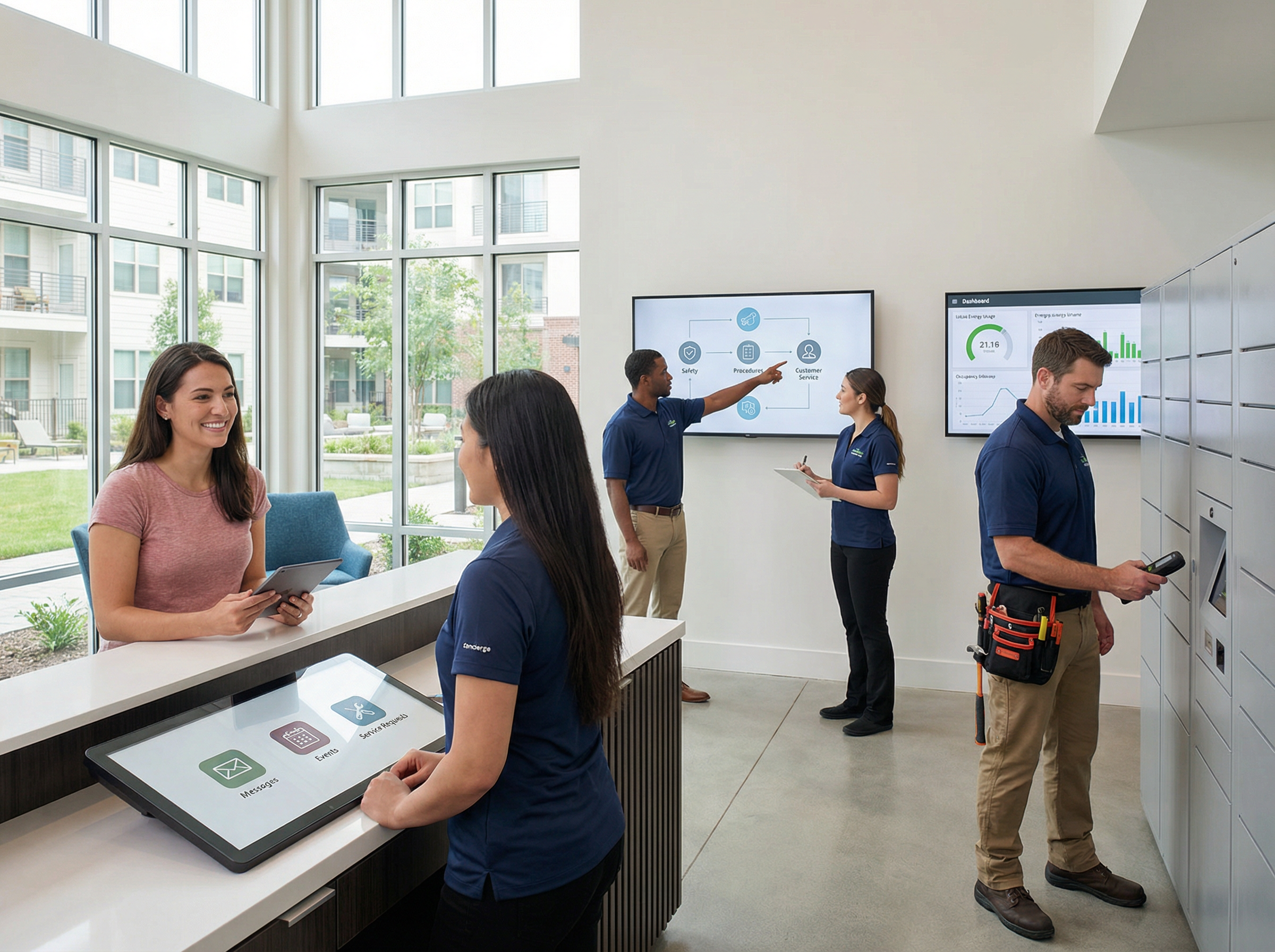
Resident communication and streamlined apartment operations aren’t luxuries anymore—they’re the bare minimum in modern multifamily management. If you’re not nailing these, expect unhappy tenants, frustrated staff, and wasted resources. Let’s get straight to what works.
Start with resident communication.
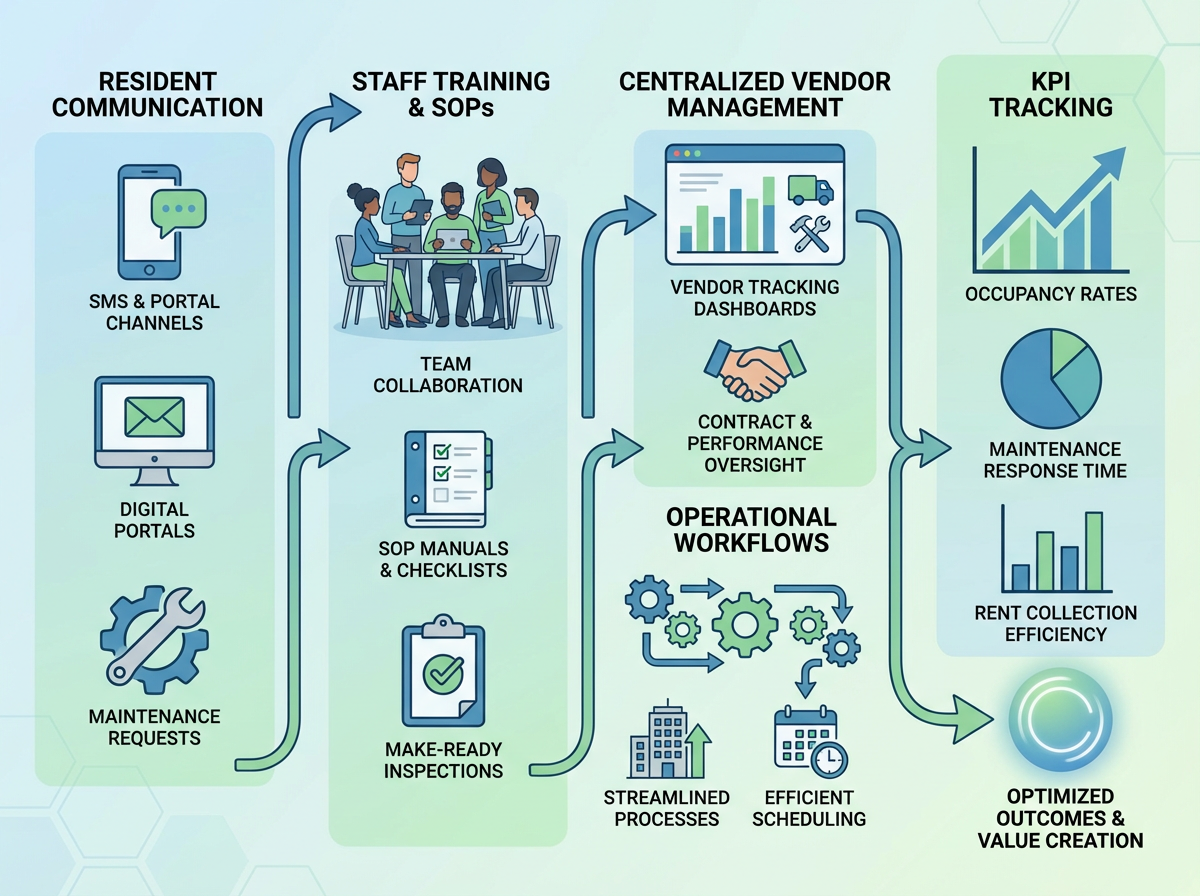
This isn’t just sending mass emails or posting flyers. It’s proactive education combined with genuine two-way dialogue. Tenants want clarity on everyday stuff—how to request maintenance, parking rules, trash pick-up schedules. Spell it out in simple language, accessible formats. Use multiple channels: SMS for quick alerts, an easy-to-navigate portal for requests, and occasional face-to-face updates during community events. Track open rates and response times as KPIs—if people aren’t opening your messages, fix your approach, don’t blame them.
Next, understand resident needs by regular surveys and feedback loops. Don’t just ask “Are you happy?” Ask specifics: “How fast was your maintenance request resolved?” “Did you find security presence adequate last month?” Data here isn’t nice to have; it directs where to allocate time and budget.
Forget the siloed team.
Your leasing, maintenance, security, and vendors need to operate like a well-oiled machine. Training must be hands-on, scenario-based, and continuous. Use checklists and standard operating procedures (SOPs) for common issues—work order intake, incident reporting, make-ready turns—breaking each task into clear, repeatable steps. For example, a SOP for maintenance requests might include logging the ticket within 10 minutes, assigning a vendor or technician within an hour, and follow-up within 24 hours. Measure compliance rigorously.

Centralized vendor management isn’t negotiable.
Keep all service providers—security firms, renovation contractors, trash valet, towing companies—in one system. Track costs, response times, quality metrics. This simplifies workflows and highlights bottlenecks. When you need quotes, a single request will cover all vendors, saving time and ensuring competitive pricing. Include these CTAs in your resident communications and staff meetings to continually optimize operations.
Operational workflows vary but must be consistent and clear. Take make-ready turns: Start with a detailed checklist—cleaning, repairs, inspections with punch lists. Assign responsibilities with deadlines, track progress digitally, and close out only after quality verification. For incident reporting, ensure on-site staff understand the protocol: immediate notification, documentation, escalation paths. No guessing games.
KPIs matter.
Monitor average repair turnaround, resident satisfaction scores post-maintenance, incident resolution times, vendor punctuality, and cost variances. These are your dashboard signals—not “feelings.”
Warehouse learnings. An apartment complex I worked with halved maintenance complaints by retraining staff on communication SOPs and using a digital ticketing system linked with their vendor database. Another boosted resident satisfaction 20 percent after launching a clear, bilingual tenant education campaign on trash valet and towing rules. Real numbers come from real changes.
Here’s a quick checklist to start tightening your resident communication and streamlined apartment operations:
clarify communication channels and content, implement ongoing staff training with SOPs, centralize vendor management with digital tracking, define clear workflows, and track KPIs religiously. No fluff, no myths.
If you want real-world tactics distilled into a practical training, check out the best step-by-step courses tailored for multifamily property managers like you—covering everything from resident engagement to vendor coordination to post-renovation follow-up. These courses break down the complexity into actionable moves that make your job easier and your tenants happier.
Trust me, the difference you make here isn’t just operational—it’s the foundation of resident loyalty and business growth in 2025 and beyond. If you’re serious about mastering resident communication and streamlined apartment operations, start there.
For service partnerships that support your operations end-to-end, explore options for security firms, renovation contractors, trash valet providers, and towing companies that align with your multifamily operational goals.