
Turnover cleaning meaning: Flawless 2025.
More Than Just a Mop and Bucket
The turnover cleaning meaning goes far beyond a simple tidy-up. For property owners, it’s a critical process for success.
Turnover Cleaning Definition:
- A deep cleaning process between tenants.
- Restores the property to a pristine, move-in ready state.
- Erases all traces of previous occupants.
- Includes restocking amenities and checking appliances.
- More intensive than regular cleaning, with tight time constraints.
For managers of Houston apartments or short-term rentals, the clock starts ticking the moment a tenant leaves. An empty unit is lost income, and a spotless space is the fastest way to fill a vacancy.
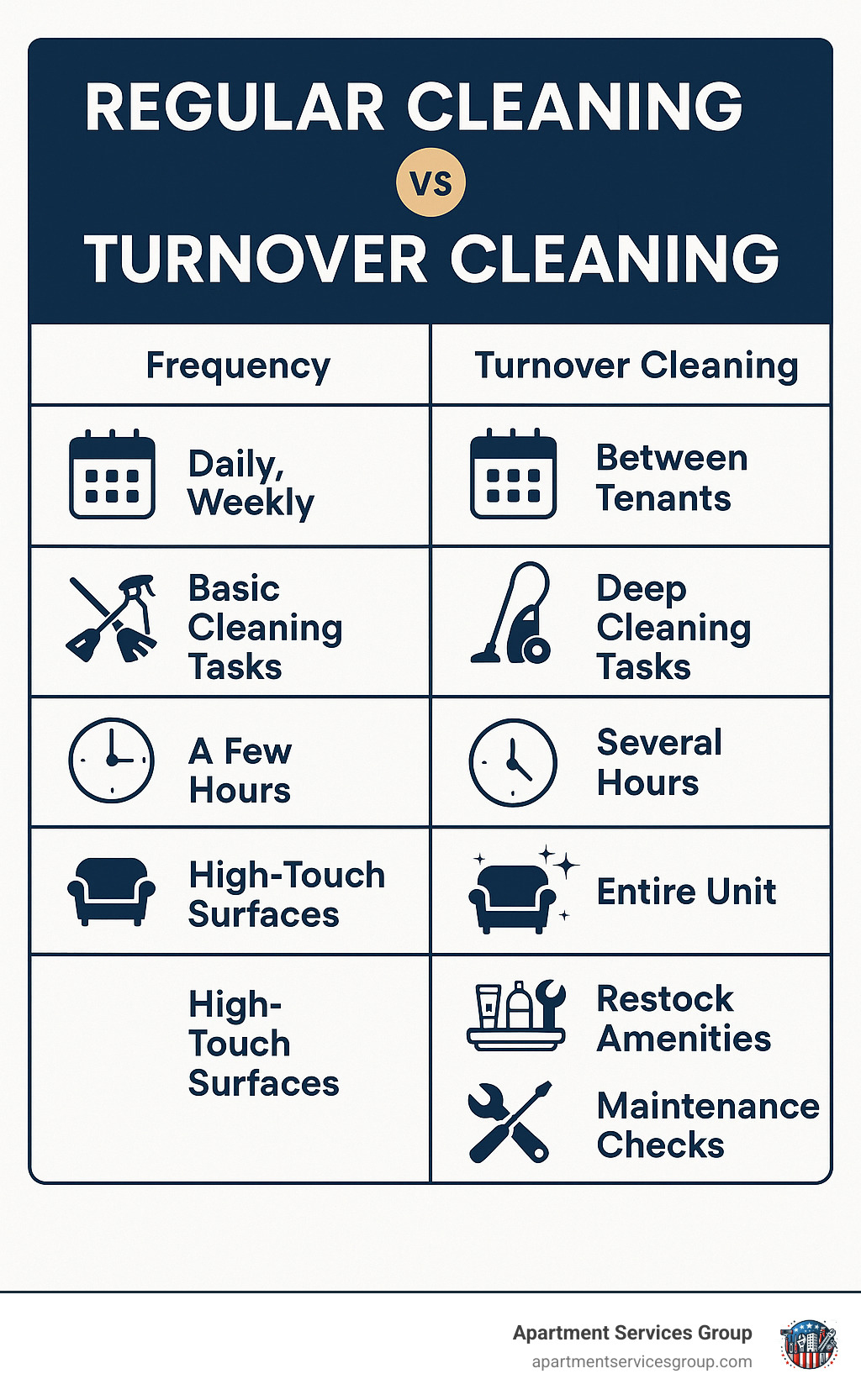
Turnover cleaning is not just a more intense regular clean; it’s a full restoration. Think of it as a car detailing versus a quick wash. It’s a systematic process involving deep sanitization, restocking, maintenance checks, and ensuring every surface sparkles. Missing a step can lead to negative reviews, longer vacancies, and unhappy tenants.
I’m Moe Shariff, owner of Apartment Services Group. With over eight years of experience in Houston, I’ve seen how mastering the turnover process separates profitable properties from constant headaches. Understanding what turnover cleaning truly involves is key to your success.
The Real Turnover Cleaning Meaning: A Deep Dive
When a tenant moves out, understanding the true turnover cleaning meaning is crucial for your success as a property owner.
Turnover cleaning is not a simple tidy-up. It’s a comprehensive restoration process that transforms a lived-in space back into a sparkling, move-in ready home. It’s like hitting the reset button on your property—every surface is cleaned, all traces of the previous occupant are erased, and every detail is perfected for the next tenant.
The goal is to restore your property to a pristine condition that impresses potential tenants. This involves deep sanitization, eliminating odors, restocking amenities, and ensuring all appliances function perfectly.
Here’s how turnover cleaning stands apart from other cleaning types:
| Cleaning Type | When It Happens | What’s Included | Main Purpose |
|---|---|---|---|
| Regular Cleaning | Weekly/Monthly | Surface cleaning, basic tidying | Keep occupied spaces tidy |
| Deep Cleaning | Seasonally | Thorough cleaning of lived-in areas | Remove built-up grime |
| Move-Out Cleaning | When tenant leaves | Clean empty unit to basic standards | Meet lease requirements |
| Turnover Cleaning | Between tenants | Complete restoration plus repairs and restocking | Create move-in ready perfection |
What makes turnover cleaning special is its scope of work. It involves turning an empty space into something that looks and feels brand new by cleaning hard-to-reach spots, addressing maintenance issues, and checking every detail.
Understanding the Turnover Cleaning Meaning for Different Properties
The core turnover cleaning meaning remains the same, but the process adapts to different rental types.
- Apartment complexes benefit from a standardized process that shortens vacancy periods and ensures consistency across all units.
- Single-family rentals often need more personalized attention for features like fireplaces, decks, or garages.
- Short-term rentals (e.g., Airbnb) demand lightning-fast yet perfect turnovers between guests, as reviews are critical.
- Furnished vs. unfurnished units also change the approach. Furnished properties require cleaning furniture and laundering linens, while unfurnished units offer full access to surfaces but require attention to details that furniture might hide.
The key is to meet high tenant expectations. Today’s renters share their experiences online, so a thorough turnover is essential for positive first impressions. For more insights on keeping tenants happy, see our guide on Property Management.
Legal Obligations and the Implied Warranty of Habitability
Understanding the turnover cleaning meaning from a legal perspective isn’t just smart business—it’s required by law.
Every landlord has responsibilities under the implied warranty of habitability, a legal standard requiring you to provide a safe, clean, and livable space. A proper turnover cleaning is your first step in meeting these standards and avoiding legal issues.
Health and safety standards are non-negotiable. This includes addressing any mold, pest issues, or unsanitary conditions left by previous tenants. In Houston’s humid climate, mold prevention is especially critical.
A proper move-in condition also protects you regarding security deposit deductions. You can’t charge tenants for normal wear and tear, but you can for damages exceeding it. Detailed photo documentation before and after each turnover is crucial for distinguishing between the two.
State and local regulations add another layer. For example, Texas has specific laws for handling abandoned property. For a detailed overview of your obligations, you can consult official resources like the Texas Tenant Rights guide.
Understanding normal wear and tear (e.g., faded paint, minor scuffs) versus damage (e.g., holes in walls, pet stains) is key for fair deposit handling. A thorough turnover process protects both you and your tenants, ensuring you stay on the right side of housing laws.
The Ultimate Turnover Cleaning Checklist: From Top to Bottom
Mastering the turnover cleaning meaning requires a rock-solid system. A detailed checklist is essential to ensure no corner is missed and every cleaning meets a high standard.
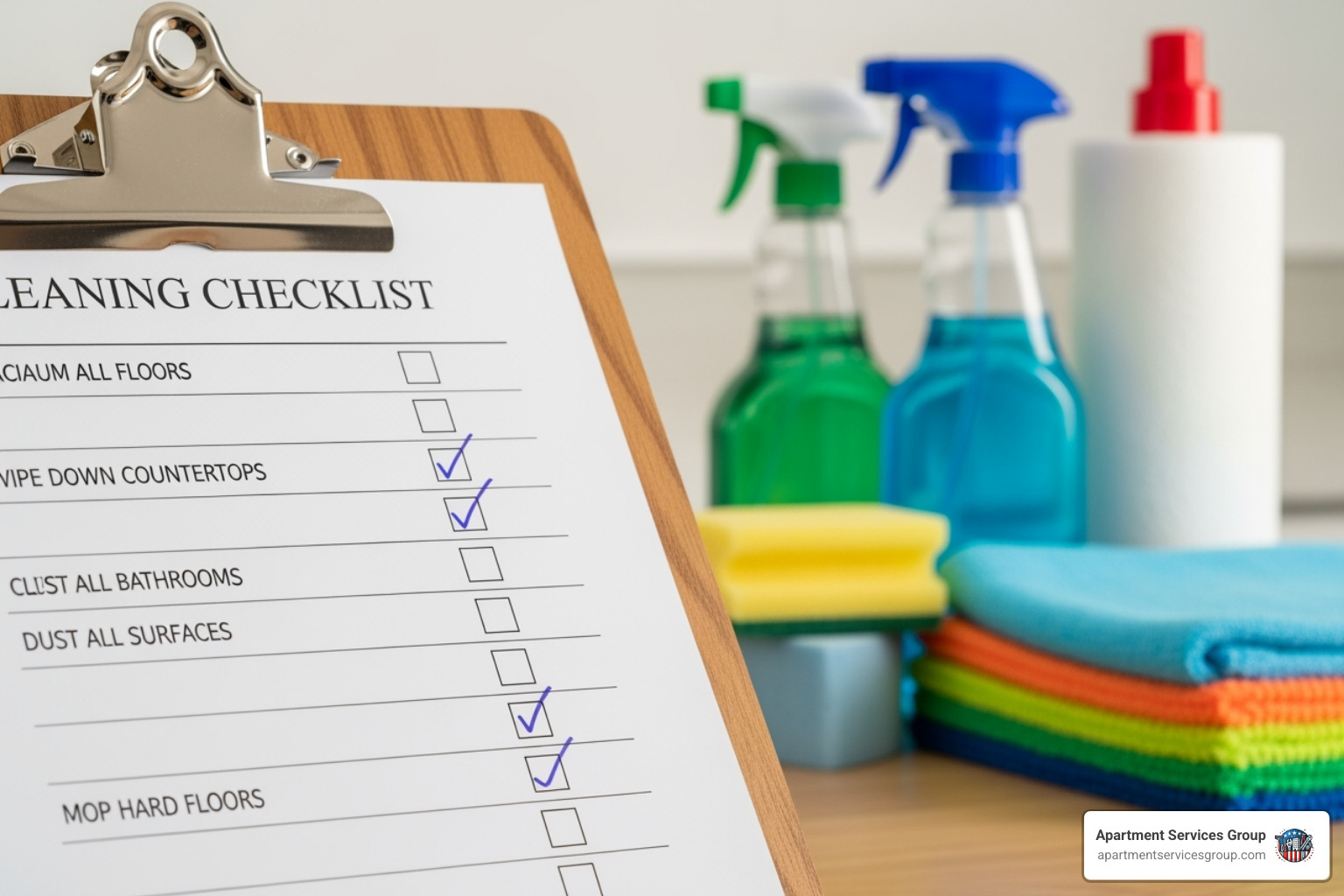
Always use the top-to-bottom method: start with ceilings and light fixtures and work your way down to the floors. This prevents dust from settling on already-cleaned surfaces.
Using professional-grade supplies makes a significant difference, cutting down on cleaning time and delivering superior results. Your arsenal should include multi-surface cleaners, disinfectants, glass cleaner, oven cleaner, grout cleaner, microfiber cloths, scrub brushes, and a quality vacuum with attachments. Also, keep trash bags, gloves, odor eliminators, and a basic repair kit on hand to avoid extra trips.
Kitchen Deep Clean
The kitchen often faces the biggest cleaning challenges, from grease splatters to appliance grime. A pristine kitchen makes a strong first impression.
- Appliances: Clean inside and out, including behind the refrigerator. Use heavy-duty cleaners for the oven interior and steam the microwave for an easy wipe-down.
- Cabinets: Wipe down all exterior and interior surfaces of every cabinet and drawer.
- Surfaces: Scrub countertops and backsplashes, paying close attention to grout lines. Sanitize the sink, disposal, and faucet.
- Degreasing: Degrease the stovetop, range hood, and nearby cabinet doors.
- Floors: Sweep and mop thoroughly, especially in corners.
Bathroom Sanitization
Bathrooms demand meticulous sanitization to feel fresh and comfortable for new tenants.
- Disinfection: Sanitize the entire toilet, including the base and behind it. Scrub the shower and tub to remove soap scum and hard water stains.
- Grout & Fixtures: Clean grout lines to remove dirt and mildew. Polish mirrors and chrome fixtures until they shine.
- Vanities & Fans: Clean sinks and vanities inside and out. Clear dust from the exhaust fan.
For major bathroom updates, our team offers expert Apartment Renovation guidance.
Living Areas & Bedrooms
These spaces must feel welcoming and spotless from the moment a tenant enters.
- Surfaces: Dust all surfaces, including shelves and windowsills. Clean windows to brighten the space.
- Details: Wipe down baseboards and doors to remove scuffs. Clean light fixtures and ceiling fans.
- Floors: Vacuum carpets thoroughly, considering professional cleaning for tough odors. Mop all hard floors, reaching every corner.
Final Touches and Maintenance Checks
These final details transform a clean unit into a move-in ready home.
- Air & Safety: Replace air filters and check smoke/carbon monoxide detectors.
- Repairs & Security: Patch small holes, touch up paint, tighten loose handles, and change the locks for the new tenant’s security.
- Final Walkthrough: Ensure all lights work and conduct a final inspection to catch any missed spots.
For comprehensive security solutions, explore our Apartment Security services.
Why Every Landlord and Host Needs to Master the Turnover Process

Understanding the turnover cleaning meaning is fundamental to running a successful rental business. A proper turnover directly impacts vacancy rates and tenant happiness.
A pristine, move-in ready unit creates a powerful positive first impression, setting the tone for the entire tenancy. This leads to greater tenant satisfaction, which means longer stays, consistent income, and better care of your property.
For short-term rental hosts, the stakes are even higher. Positive reviews are driven by cleanliness, and mastering the turnover process is key to boosting ratings and revenue.
A well-executed turnover also attracts quality tenants by signaling that you are a professional, conscientious landlord. Furthermore, it aids in property value preservation by addressing minor issues before they become costly repairs.
The Financial Meaning of Turnover Cleaning: Cost vs. Value
From a financial perspective, the turnover cleaning meaning is about maximizing profit. Every day a unit sits empty is lost income.
- Minimize Income Loss: An efficient, high-quality turnover gets your unit back on the market faster. A single week of vacancy on a $1,800/month rental costs you $450—often more than a professional cleaning.
- Justify Rent Prices: A sparkling property allows you to command competitive rent without negotiation.
- Long-Term Property Preservation: Turnover cleaning is preventive maintenance. Addressing minor issues like mildew or scuff marks today prevents expensive repairs tomorrow.
- Higher Tenant Retention: Happy tenants are more likely to renew their leases, reducing turnover costs and creating predictable income.
Professional cleaning services often pay for themselves through faster turnarounds and higher standards. For more strategies, check out our Tips section.
The Role of Technology in Modern Turnovers
Technology is streamlining the turnover cleaning meaning and execution, changing a chaotic process into an efficient one.
- Property Management Software: Integrated platforms help us at Apartment Services Group coordinate cleaning, maintenance, and move-ins seamlessly.
- Digital Inspection Tools: We use apps to document unit conditions with photos and notes, making security deposit discussions clear and fair.
- Automated Scheduling: Systems can automatically dispatch cleaning crews at checkout, which is essential for tight turnarounds in short-term rentals.
- Smart Home Features: Smart locks simplify access for crews, while smart thermostats save on energy costs during vacancies.
- Tenant Communication Portals: These platforms provide tenants with clear move-out instructions and expectations, reducing confusion.
These tools create a professional experience that tenants appreciate, reinforcing the quality of your management.
Frequently Asked Questions about Turnover Cleaning
Property owners constantly ask me about the practical side of turnover cleaning meaning. Here are answers to the most common questions from my eight years in the Houston rental market.
How much does turnover cleaning cost?
The cost of turnover cleaning depends on several key factors:
- Property Size & Condition: A studio apartment might cost $150-$200, while a four-bedroom house could be $400+. However, the unit’s condition is the biggest variable. A well-maintained unit is far cheaper to clean than one with stubborn stains, excessive grime, or lingering pet or smoke odors, which can double the cost.
- Geographic Location: Costs vary by location due to labor rates. In Houston, a standard turnover clean typically ranges from $150-$300.
- Level of Cleaning: A basic clean is cheaper but may not be enough. A true deep clean that restores the unit to move-in condition costs more but reduces vacancy time.
- DIY vs. Professional: While DIY saves on labor, professionals work faster with specialized equipment and products, often delivering better results that justify the cost.
How long does a turnover clean take?
Time is money, and the cleaning timeline varies.
- Size and Condition: A small, well-maintained studio might take 4-6 hours, while a large, dirty unit could take a full day or more. Extensive scrubbing or stain removal adds significant time.
- Drying Time: If you shampoo carpets, factor in an additional 2-24 hours for drying.
- Coordinating Repairs: The biggest time killer is often repairs. Patching and painting walls can add a full day to the timeline, including drying.
- Efficiency: A detailed checklist and prepared supplies can speed up the process, but rushing leads to missed spots that new tenants will notice.
What are the biggest challenges in turnover cleaning?
These are the challenges that consistently surprise property owners:
- Unexpected Damages: Finding significant wall damage, broken fixtures, or deep stains can derail your timeline and budget.
- Stubborn Stains and Odors: Grease buildup, hard water stains, and especially smoke or pet odors can be extremely difficult and time-consuming to remove, often requiring specialized treatments.
- Tight Timelines: In high-demand markets, the short window between tenants creates immense pressure to work quickly without sacrificing quality.
- Handling Abandoned Property: You can’t just discard a former tenant’s belongings. State laws dictate specific procedures for notice and storage, which can add weeks to your turnover.
- Coordinating Multiple Teams: Juggling cleaners, painters, and maintenance staff requires precise scheduling. One delay can disrupt the entire process.
Conclusion: Lift Your Property with Flawless Turnovers
Understanding the turnover cleaning meaning is recognizing it as the foundation of successful property management. A flawless turnover sends a clear message to potential tenants: “This is a place you’ll be proud to call home.”
A pristine unit creates a powerful first impression, which is where reduced vacancy periods and maximized rental income begin. The benefits extend to improved tenant satisfaction, leading to longer leases, fewer complaints, and excellent reviews. Valued tenants are also more likely to care for your property.
Most importantly, thorough turnovers are about preserving your property’s value. Addressing minor issues during each cleaning prevents them from becoming expensive problems later.
A standardized process is crucial for consistency and ensures nothing is missed. This professional approach attracts higher-quality tenants who appreciate attention to detail.
At Apartment Services Group, we’ve seen how flawless turnovers transform rental businesses. Our team treats every turnover as an opportunity to reset and refresh with excellence, handling the complexities so you can focus on your investment.
Your property deserves tenants who feel at home from the moment they walk in. That starts with mastering the turnover process.
Ready to see the difference professional expertise makes? Find our comprehensive Apartment Complex Solutions and let us transform your next tenant transition into a competitive advantage.